A Guide to Sustainable Plastic Waste Management in Your Area
Understanding Plastic Waste in Your Community
The Impact of Plastic Pollution
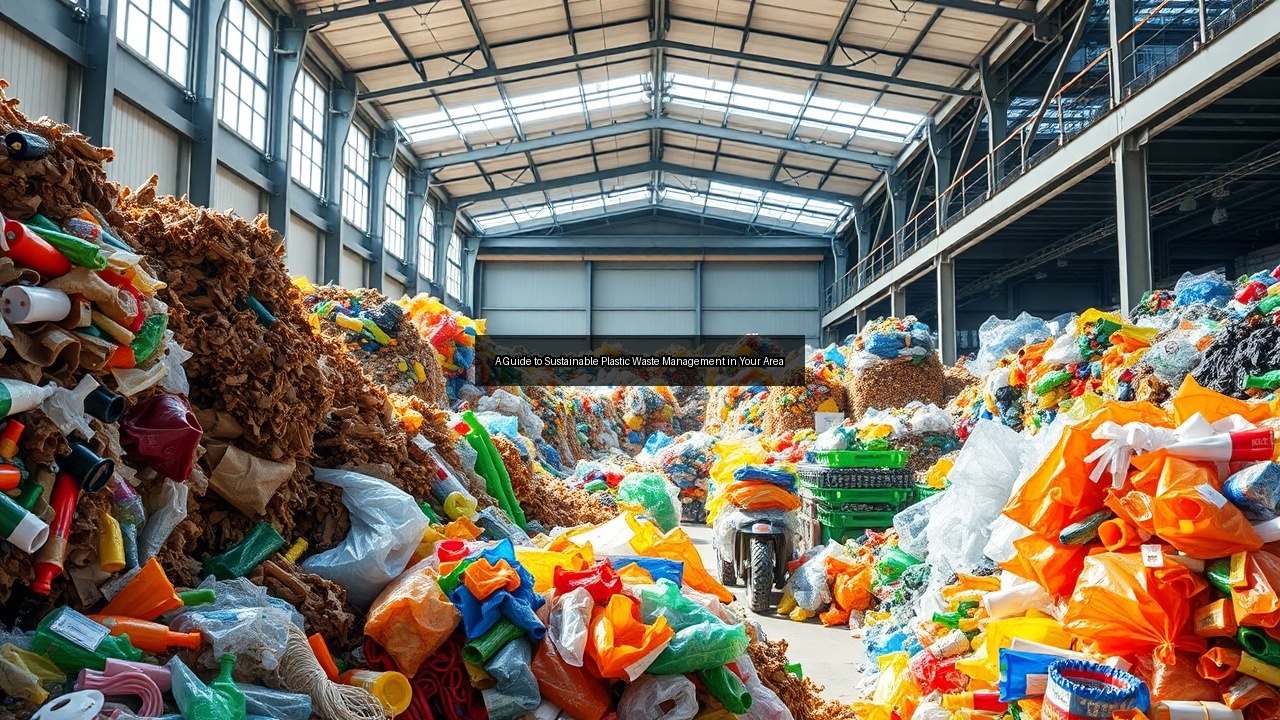
Plastic pollution poses a significant threat to the environment, impacting ecosystems, wildlife, and human health. In America, millions of tons of plastic waste end up in landfills or oceans annually, leading to severe ecological consequences. Marine life often mistakes plastics for food, resulting in ingestion that can be fatal. Moreover, as plastics break down into smaller microplastics, they infiltrate the food chain and can ultimately find their way into human diets. Communities face mounting challenges as plastic waste contributes to soil and water contamination, highlighting the urgent need for effective waste management strategies. Understanding the impact of plastic pollution is the first step in mitigating its effects.
Types of Plastics: From PET to Polycarbonate
Plastics come in various forms, each with unique properties and uses. Polyethylene terephthalate (PET) is common in beverage bottles and food containers, offering a recyclable option that many municipalities accept. High-density polyethylene (HDPE) is used for containers like milk jugs and detergent bottles. On the other hand, polycarbonate, often referred to by its brand name Lexan, is known for its strength and clarity, making it ideal for applications requiring durability, such as safety glasses and electronic components. Understanding these types of plastics can help individuals and communities make informed decisions about recycling and waste management.
The Role of the Plastics Industry in Waste Management
The plastics industry plays a pivotal role in shaping effective waste management practices. Manufacturers are increasingly focusing on sustainable practices by developing biodegradable plastics and improving recycling technologies. Collaboration between the industry and local governments can drive initiatives that promote the recycling of plastics, including PET and polycarbonate. This partnership can also support education on responsible plastic use, reducing the overall waste generated. Additionally, advancements in plastic fabrication methods can yield high-quality recycled plastics, further integrating sustainability into production processes. Engaging with the plastics industry allows communities to access valuable resources for tackling plastic waste.
Effective Strategies for Plastic Waste Management
Recycling Plastics: How It Works
Recycling plastics involves several critical steps that transform used plastic into new products. The process begins with collection and sorting, where recyclables are separated based on their resin type, such as PET or HDPE. After sorting, plastics undergo cleaning to remove contaminants like food residue. Subsequently, the cleaned plastics are shredded into small flakes, which can then be melted and extruded into pellets. These pellets serve as raw material for manufacturing various products, from clothing to construction materials. Communities can enhance their recycling efforts by promoting local recycling programs and educating residents about the types of plastics accepted in their area, ultimately reducing plastic waste.
The Benefits of Reusing Plastic Bags
Reusing plastic bags stands out as a simple yet effective strategy for reducing plastic waste. Many households accumulate a surplus of plastic bags from grocery shopping, which often end up discarded after a single use. Instead, repurposing these bags for tasks like trash liners, storage, or even as packing material can significantly minimize waste. Additionally, some communities encourage the use of reusable shopping bags, which not only lowers the demand for single-use plastic but also fosters a culture of sustainability. By promoting the benefits of reusing plastic bags, communities can take a proactive stance against plastic pollution while encouraging environmentally friendly habits.
Innovative Technologies in Plastic Recycling
Innovative technologies revolutionize the way we approach plastic recycling, enabling more efficient processes and higher quality recycled materials. Advanced chemical recycling methods break down plastics into their original monomers, allowing for the creation of new virgin-like polymers. This technology can recycle difficult-to-process plastics, such as polycarbonate, which traditional mechanical recycling methods often overlook. Additionally, artificial intelligence (AI) enhances sorting technologies, improving the accuracy and efficiency of separating different plastic types. Communities can benefit from these advancements by investing in local recycling facilities that adopt cutting-edge technologies, ensuring that more plastics are diverted from landfills and reintroduced into the manufacturing cycle.
Finding Local Resources for Plastic Waste Management
Identifying Recycling Centers in Santa Barbara County
Santa Barbara County offers various recycling centers that accept different types of plastics, providing residents with opportunities to responsibly dispose of their plastic waste. Many local centers accept common plastics like PET and HDPE, ensuring that these materials are recycled appropriately. Residents can easily locate nearby recycling centers through online platforms or community resource guides. Additionally, many local governments provide information on curbside recycling programs, making it easier for households to participate in sustainable waste management practices. Engaging with these local resources helps reduce plastic waste while fostering a culture of recycling in the community.
Connecting with Plastic Fabrication Services Near You
Plastic fabrication services play a crucial role in the recycling ecosystem by transforming recycled plastics into new products. By connecting with local plastic fabrication companies, residents can explore options for purchasing sustainable products made from recycled materials. These services often utilize cutting-edge techniques in plastic machining and extrusion, allowing for the creation of high-quality engineered plastic machining near me plastics. Local businesses that prioritize sustainability can also collaborate with community members to promote environmentally friendly initiatives, such as workshops that educate about the benefits of using recycled plastics. This connection supports both local economies and environmental goals.
Exploring Waste Management Facilities and Their Offerings
Waste management facilities in Santa Barbara County provide essential services for managing plastic waste. These facilities often feature comprehensive recycling programs that educate the public on proper disposal methods. Many offer drop-off sites for plastics and other recyclables, making it convenient for residents to participate in waste reduction efforts. Some facilities even provide tours and workshops, allowing community members to learn about the recycling process and the importance of resource recovery. By exploring these local offerings, residents can fully engage with their community’s waste management strategies, contributing to a sustainable future.
Community Involvement and Education
Organizing Local Clean-Up Events
Organizing local clean-up events fosters community involvement while effectively addressing plastic pollution. plastic products nearby These events bring residents together to collect trash and plastics from parks, beaches, and neighborhood streets. By participating in clean-ups, community members become more aware of the extent of plastic waste in their surroundings. These events also serve as excellent educational opportunities, as participants can learn about the types of plastics commonly found in their area and the environmental impact associated with them. Collaborating with local organizations can amplify the reach of these clean-up efforts, further promoting a sense of community responsibility toward reducing plastic waste.
Educating on Resource Recovery and Polymer Recycling
Education plays a vital role in sustainable plastic waste management. Communities can implement educational programs that focus on resource recovery and polymer recycling, teaching residents about the importance of recycling and the processes involved. Workshops, seminars, and school programs can demystify the recycling process, making it more accessible. Residents will gain insights into how recycled plastics are transformed into new products, further encouraging participation in recycling programs. By fostering a culture of education and awareness, communities can empower individuals to make informed decisions about their plastic consumption and waste management practices.
Collaborating with Local Businesses for Sustainable Practices
Collaboration between community members and local businesses creates powerful opportunities for promoting sustainable practices. Businesses can implement initiatives that support recycling efforts, such as offering discounts for customers who bring reusable bags or containers. Partnering with local organizations can facilitate community events centered on sustainability, such as educational fairs or workshops on plastic waste management. Engaging local businesses in these efforts not only enhances community ties but also promotes responsible practices within the broader community. This collaboration elevates the importance of sustainability and encourages everyone to take an active role in reducing plastic waste.