How Industrial Dehumidifiers Improve Worker Health and Safety
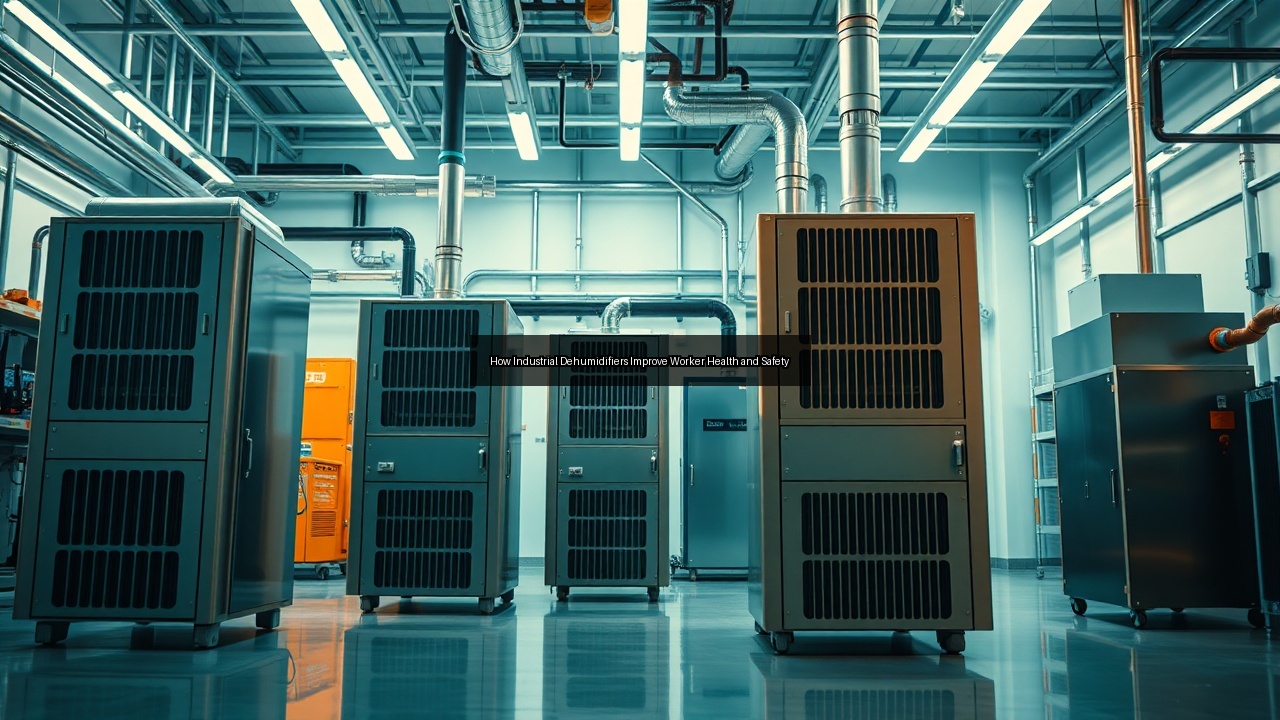
Understanding Industrial Dehumidifiers and Their Functionality
The Science of Dehumidification
Industrial dehumidifiers play a crucial role in maintaining optimal air moisture levels in various settings. The primary function of these machines is to reduce humidity by extracting moisture from the air, thereby ensuring a controlled environment. Dehumidification involves physical processes where air passes through a cooling coil or desiccant material, leading to condensation of water vapor. The resulting dry air is then reintroduced into the environment, significantly enhancing comfort and safety for workers. By managing humidity levels, industrial dehumidifiers prevent mold growth, corrosion, and other moisture-related problems that can affect both equipment and employee health.
Types of Industrial Dehumidifiers
Several types of industrial dehumidifiers cater to diverse applications, each designed for specific moisture control needs. The two main categories include refrigerant dehumidifiers and desiccant dehumidifiers. Refrigerant dehumidifiers operate using a cooling mechanism that condenses moisture into water, which is then drained away. Ideal for environments with higher temperatures, they efficiently reduce humidity levels. Desiccant dehumidifiers, on the other hand, utilize hygroscopic materials that absorb moisture from the air. These units excel in low-temperature environments, making them suitable for industries like food packaging and pharmaceuticals. Understanding the distinctions among these units helps businesses select the right industrial dehumidifier for their specific requirements.
Role of HVAC in Climate Control
HVAC systems work in tandem with industrial dehumidifiers to achieve comprehensive climate control. These systems not only regulate temperature but also manage humidity levels, ensuring a comfortable and safe working environment. The integration of HVAC and dehumidification technologies allows for precise control of air quality. By maintaining optimal dew points, HVAC systems prevent excessive moisture buildup that can lead to health hazards such as respiratory issues and mold growth. Regular maintenance of HVAC systems is essential to ensure that they function effectively alongside industrial dehumidifiers, providing an overall healthier workspace for employees.
Impact of Dehumidifiers on Worker Health
Reducing Airborne Contaminants
Maintaining low humidity levels in industrial settings significantly reduces airborne contaminants, which directly benefits worker health. High humidity can create an environment conducive to mold, bacteria, and dust mites, all of which can trigger allergic reactions and respiratory issues. By effectively dehumidifying the air, these systems limit the proliferation of such contaminants. Workers exposed to cleaner air tend to experience fewer health problems, leading to increased productivity and reduced absenteeism. Employers who invest in industrial dehumidifiers demonstrate a commitment to the well-being of their workforce, fostering a healthier and more productive work environment.
Controlling Dew Points for Comfort
Controlling dew points is essential for worker comfort, particularly in settings where employees perform physically demanding tasks. High humidity can lead to discomfort, fatigue, and decreased concentration, which can adversely affect work performance. Industrial dehumidifiers help maintain dew points within a comfortable range, allowing workers to focus on their tasks without being hindered by excessive moisture. This not only enhances individual well-being but also contributes to overall workplace efficiency. When workers feel comfortable, their morale improves, leading to a more positive work atmosphere.
Effects on Respiratory Health
Air quality plays a significant role in respiratory health, and high humidity levels can exacerbate breathing difficulties. Industrial dehumidifiers mitigate this risk by lowering humidity and reducing the presence of irritants in the air. Studies indicate that workers in environments with controlled humidity levels experience fewer instances of asthma and other respiratory conditions. By ensuring that air moisture remains at appropriate levels, industrial dehumidifiers provide a protective measure for employees, promoting long-term health benefits. Prioritizing respiratory health not only enhances employee well-being but also reduces healthcare costs associated with workplace-related illnesses.
Applications of Industrial Dehumidifiers
Food Packaging and Preservation
In the food industry, maintaining proper humidity levels is vital for product quality and safety. Industrial dehumidifiers are instrumental in food packaging and preservation, preventing spoilage caused by moisture. Excess humidity can lead to dehumidifiers for industrial locations mold growth and bacterial contamination, jeopardizing food safety. By controlling air moisture, these dehumidifiers extend the shelf life of products and ensure compliance with health regulations. Furthermore, a well-controlled environment reduces waste and improves profitability for food manufacturers. The application of industrial dehumidifiers thus proves essential in maintaining quality standards in the food packaging industry.
Electronics Manufacturing
Electronics manufacturing demands strict humidity control to protect sensitive components from damage. High moisture levels can lead to corrosion and other issues that compromise product integrity. Industrial dehumidifiers are critical in ensuring that the manufacturing environment remains dry and stable. By controlling humidity, manufacturers can avoid costly defects and maintain high-quality production standards. Additionally, these units help in achieving ISO compliance, a critical factor for companies striving for excellence in electronics production. The investment in industrial dehumidifiers pays off by safeguarding products industrial-grade dehumidifers and enhancing operational efficiency in the electronics sector.
Pharmaceutical Industry Requirements
The pharmaceutical industry operates under stringent regulations regarding air quality and humidity control. Industrial dehumidifiers play a pivotal role in creating the necessary conditions for drug formulation and storage. Maintaining low humidity levels prevents the degradation of active pharmaceutical ingredients and ensures product efficacy. Furthermore, controlled environments reduce the risk of contamination, which is paramount in pharmaceutical manufacturing. Compliance with Good Manufacturing Practices (GMP) relies on effective humidity management, making industrial dehumidifiers indispensable tools in this sector. Their application not only enhances product safety but also protects public health.
Maintenance and Troubleshooting of Industrial Dehumidifiers
Common Issues and Solutions
Regular maintenance of industrial dehumidifiers ensures optimal performance and longevity. Common issues include reduced airflow, which can be caused by clogged filters or malfunctioning blowers. Regularly inspecting and cleaning filters can mitigate these problems. Additionally, monitoring CFM (Cubic Feet per Minute) ratings helps determine if the unit is performing efficiently. If airflow decreases significantly, troubleshooting may involve checking for obstructions or mechanical failures. Addressing these common issues promptly can prevent costly downtime and ensure that the dehumidifier operates at peak performance, safeguarding worker health and productivity.
Importance of CFM Ratings in Performance
CFM ratings indicate the volume of air an industrial dehumidifier can process and play a crucial role in determining its effectiveness. Higher CFM ratings generally correlate with faster and more efficient dehumidification. Selecting a unit with an appropriate CFM rating for the specific space ensures adequate moisture removal, directly impacting worker comfort and health. Regular performance checks can identify whether the CFM rating meets the demands of the environment. If deficiencies are noted, adjustments or upgrades may be necessary to maintain effective humidity control and, consequently, a safe work atmosphere.
Best Practices for Longevity
Implementing best practices for the maintenance of industrial dehumidifiers extends their lifespan and enhances operational efficiency. Regularly scheduled maintenance, including filter changes and system inspections, is vital. Keeping the units clean and free of dust and debris prevents operational issues and ensures steady airflow. Additionally, monitoring humidity levels and adjusting settings as needed helps maintain optimal performance. Training staff on proper usage and troubleshooting can also help identify problems early, reducing the risk of significant failures. By prioritizing these practices, businesses can ensure the reliability and longevity of their industrial dehumidifiers, ultimately protecting employee health and enhancing productivity.
See Also
- Why Air Moisture Control is Critical in Industrial Settings
- Top 5 Industrial Dehumidifiers for Large Scale Operations
- Innovative Features of Modern Industrial Dehumidifiers
- The Future of Food Packaging How Industrial Dehumidifiers Enhance Shelf Life
- Why Your Facility Needs an Industrial Dehumidifier for Peak Efficiency