Integrating Design and Fabrication for Optimal Pipe Systems
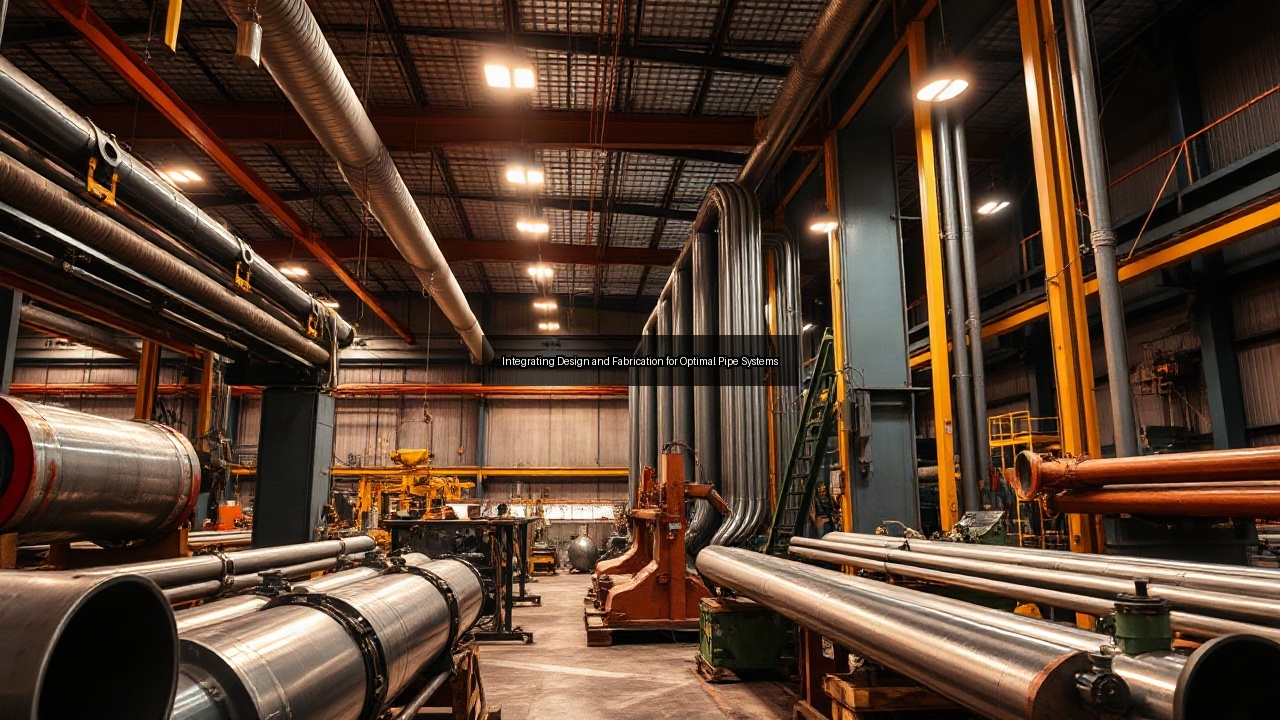
Understanding the Basics of Pipe Fabrication
Types of Pipes: Steel vs. Other Materials
Pipe fabrication encompasses a variety of materials, with steel pipes standing out due to their strength and durability. Steel pipes, particularly in heavy-duty applications, offer advantages like high tensile strength and resistance to corrosion when properly treated. Other materials, such as PVC, copper, and aluminum, also serve specific purposes but may lack the robustness that steel provides. PVC pipes are common in residential plumbing, while copper is favored for its thermal conductivity. Understanding these differences is crucial when deciding on the right materials for your pipe systems. Each type of pipe serves its niche, but in industrial applications, steel pipes often emerge as the preferred choice due to their ability to withstand extreme pressures and temperatures.
The Importance of Design in Fabrication
Effective design plays a pivotal role in pipe fabrication. A well-thought-out design not only improves the efficiency of the piping system but also enhances safety and longevity. Designers must consider factors such as fluid dynamics, pressure ratings, and environmental conditions during the design phase. An optimized design reduces material waste and can lead to significant cost savings in the fabrication process. Moreover, designs that are easy to assemble and maintain contribute to smoother operations and less downtime. Integrating design principles into the fabrications ensures that the final product meets all safety standards and operational requirements, ultimately leading to a more reliable piping system.
Key Processes in Pipe Fabrication
The fabrication of pipes involves several critical processes that transform raw materials into functional piping systems. Cutting, bending, welding, and finishing are the primary stages in this manufacturing journey. Cutting involves shaping the pipe to desired lengths, while bending allows for the creation of curves necessary for complex piping layouts. Welding techniques, particularly in steel pipe fabrication, ensure that joints are secure and can withstand high pressures. Lastly, finishing processes, including coating and inspection, provide additional durability and performance assurance. Each of these processes requires skilled labor and precision tools to ensure the resulting pipe systems meet industry standards and client specifications.
Integrating Design with Fabrication Techniques
The Role of CAD in Pipe Design
Computer-Aided Design (CAD) has revolutionized the way pipe systems are conceptualized and developed. Designers use CAD software to create detailed 3D models that can simulate the performance of piping systems under various conditions. This digital representation allows for quick modifications, reducing the time required to finalize designs. CAD technology also facilitates collaboration between design and fabrication teams, ensuring everyone is aligned on specifications and requirements. By integrating CAD into the design phase, companies can minimize errors, enhance creativity, and ultimately produce more efficient and effective pipe systems. This technological advancement is an essential component of modern pipe fabrication, streamlining processes and improving outcomes.
Choosing the Right Fabrication Methods
Selecting appropriate fabrication methods is critical for achieving optimal results in pipe systems. Various techniques exist, including traditional methods such as manual welding and advanced options like laser cutting and robotic welding. Each method has its unique advantages and is suitable for different applications. For instance, laser cutting provides precision and reduces material wastage, while robotic welding enhances consistency and speed in large production runs. Understanding the specific requirements of your project—be it the type of fluid being transported or the environment in which the pipes will operate—guides the selection of the most effective fabrication method. This thoughtful approach ensures the longevity and functionality of piping systems.
Welding Techniques for Pipe Systems
Welding remains a cornerstone of pipe fabrication, especially for steel pipes. Various welding techniques, including MIG, TIG, and stick welding, cater to different project requirements. MIG welding is popular for its speed and efficiency, making it ideal for large-scale projects. TIG welding, on the other hand, offers precision and is often used for thinner materials or critical applications. Regular inspections and quality control during the welding process are essential to ensuring the integrity of the joints. A robust welding strategy enhances the overall strength of the piping system, reducing the risk of leaks and failures. The choice of welding technique directly impacts the performance and reliability of the final product.
Evaluating Pipe Fabrication Services
What to Look for in a Pipe Fabrication Company
Choosing the right pipe fabrication company involves assessing several key factors. First, evaluate the company’s experience and expertise in the specific type of piping systems you require, whether it’s steel pipe or other materials. Look for certifications that demonstrate compliance with industry standards, such as ASME or ISO certifications. Additionally, consider the range of services offered, from design to delivery, as a comprehensive service package can streamline the project. Client testimonials and case studies provide insight into their reliability and quality of work. A reputable pipe fabrication company will also have strong communication practices, ensuring you are informed throughout the fabrication process.
Cost Considerations in Pipe Fabrication
Cost plays a significant role in the decision-making process when it comes to pipe fabrication services. Understanding the pricing structure is essential to avoid unexpected expenses. Factors influencing the cost include the complexity of the design, materials used, and the chosen fabrication methods. Labor costs also vary based on the expertise required for specialized processes like welding. While it may be tempting to choose the lowest bidder, consider the long-term value and quality of the work. Investing in high-quality fabrication can lead to fewer maintenance issues and a longer lifespan for the piping systems, ultimately saving money in the long run.
Top Pipe Fabrication Shops and Their Offerings
Several reputable pipe fabrication shops excel in providing high-quality services tailored to varying needs. These shops often specialize in specific materials or industries, such as oil and gas, construction, or manufacturing. Some notable names in the industry include those that offer custom fabrication solutions, rapid prototyping, and efficient delivery services. Many top shops also emphasize sustainability in their operations, using eco-friendly materials and processes. When selecting a shop, research their portfolio and capabilities to ensure they align with your project requirements. A well-established fabrication shop will have the necessary equipment and expertise to deliver top-tier piping solutions.
Future Trends in Pipe Fabrication and Design
Innovations in Steel Pipe Fabrication
The future of steel pipe fabrication is bright, driven by technological innovations and advancements in materials science. New techniques, such as additive manufacturing, are emerging, allowing for more complex geometries and customized solutions. These innovations not only enhance production efficiency but also reduce waste. Additionally, developments in high-strength steel alloys increase the performance of pipes in demanding applications. As industries seek to improve efficiency and reduce environmental impact, adopting these innovations becomes crucial for staying competitive. Future trends will likely focus on enhancing the durability and functionality of piping systems while streamlining fabrication processes.
Sustainability in Piping Systems
Sustainability is becoming a primary focus in the design and fabrication of piping systems. Companies increasingly prioritize eco-friendly practices, such as using recycled materials and optimizing resource usage. Innovations in green manufacturing processes further reduce the environmental footprint of pipe fabrication. Furthermore, efficient designs that minimize energy consumption and waste during operation are gaining traction. Embracing sustainability not only meets regulatory requirements but also appeals to environmentally conscious consumers. As industry standards evolve, manufacturers that lead in sustainable practices will set themselves apart in the competitive market.
The Impact of Technology on Fabrication Efficiency
Technology continues to reshape the landscape of pipe fabrication, enhancing efficiency and precision. Automation plays a vital role, streamlining processes from design to production. Advanced software solutions, integrated with manufacturing systems, allow real-time monitoring and adjustments during fabrication. Robotics are increasingly used for repetitive tasks, improving consistency and reducing labor costs. The integration of IoT in manufacturing processes enables predictive maintenance, allowing for quick responses to machinery issues before they escalate. As technology advances, companies that adopt these innovations will see improved productivity and reduced operational costs, positioning themselves for success in the evolving industry.