Waterjet Cutting Techniques Revolutionizing Steel Fabrication
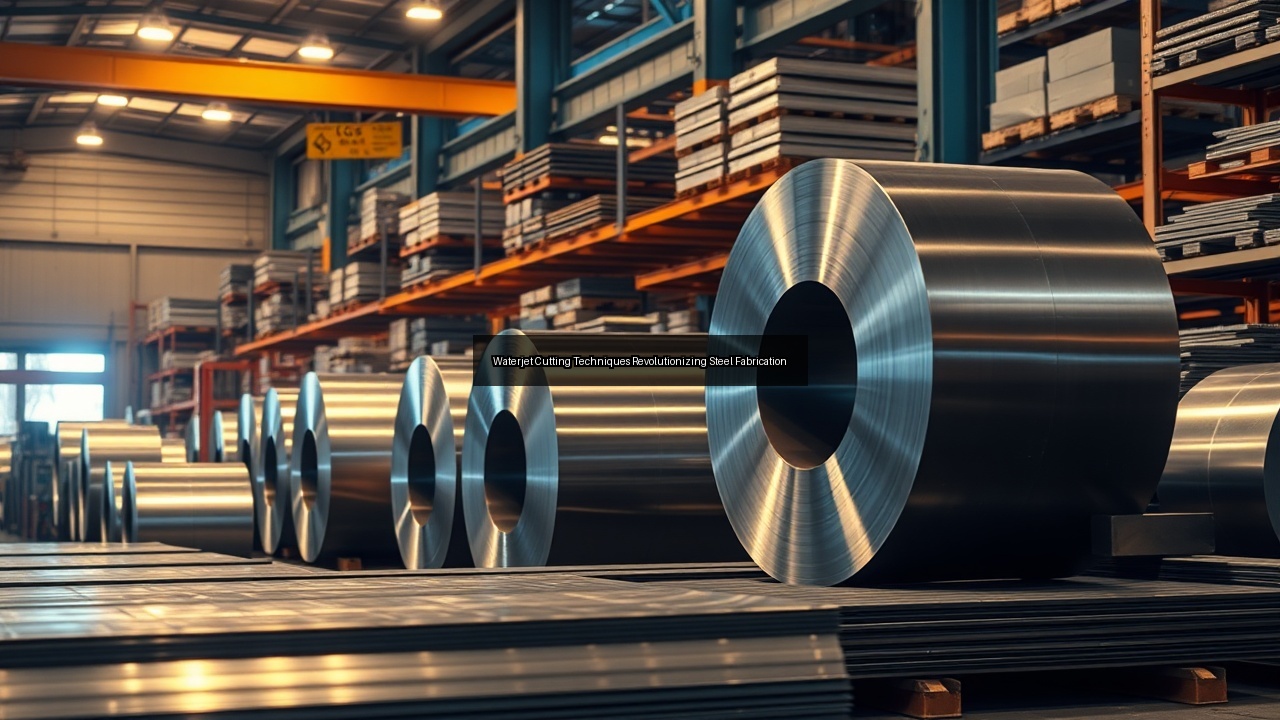
Understanding Waterjet Cutting in Steel Fabrication
What is Waterjet Cutting?
Waterjet cutting utilizes a high-pressure jet of water, often mixed with abrasive materials, to slice through various materials, including steel. This technique is particularly effective for metals, allowing for intricate designs and precise cuts without generating heat that could warp or alter the material's properties. The process begins with a pump that pressurizes water to extreme levels, which then exits through a nozzle, forming a powerful jet. Depending on the application, abrasives like garnet may be added to enhance the cutting capability, making waterjet cutting suitable for harder materials such as stainless steel and alloy steel.
Advantages of Waterjet Cutting for Steel
Waterjet cutting presents numerous advantages that significantly benefit steel fabrication. One of its primary advantages is precision. The high-pressure jet can create intricate shapes and tight tolerances, essential for industries where accuracy is paramount. This method also minimizes material waste, allowing fabricators to leverage steel sheets and coils efficiently. Additionally, waterjet cutting does not produce heat-affected zones (HAZ), maintaining the integrity of the steel, whether it’s cold rolled steel or galvanized steel. It also offers versatility, accommodating various steel types, including carbon steel and stainless steel, making it a preferred choice for fabricators working on diverse projects.
Applications in Various Industries
Waterjet cutting finds applications across multiple industries, proving its versatility and importance in steel distribution. In the automotive sector, it enables manufacturers to cut complex parts with high precision, ensuring quality and performance. The aerospace industry benefits from waterjet technology by producing lightweight yet sturdy components, critical for aircraft safety and efficiency. Moreover, the construction industry employs waterjet cutting for architectural designs, allowing for artistic and functional steel pieces in building projects. Steel distributors can also leverage this technology to meet the diverse needs of their clients, offering customized solutions that traditional cutting methods cannot achieve.
Impact of Waterjet Cutting on Steel Distribution
Efficiency in Steel Processing and Distribution
Waterjet cutting significantly enhances efficiency in steel processing and distribution. Traditional cutting methods often involve slower production speeds and higher material waste. In contrast, waterjet cutting streamlines the process, resulting in faster turnaround times for fabricators and distributors. This efficiency translates to reduced lead times, allowing steel suppliers to meet market demands more quickly. Additionally, the ability to create precise cuts means fewer post-processing steps are required, further accelerating the distribution process. Companies that incorporate waterjet technology into their operations can respond promptly to changing market conditions, ensuring they remain competitive in the evolving steel distribution landscape.
Role of Waterjet Cutting in Automotive and Aerospace
In the automotive and aerospace industries, waterjet cutting plays a pivotal role in shaping the future of steel fabrication. Automotive manufacturers rely on this technique for producing complex components such as brackets, frames, and support structures, which require high precision and reliability. The ability to cut through various steel types, including alloy steel and stainless steel, makes waterjet technology indispensable in this sector. Similarly, the aerospace industry benefits greatly from the accuracy and versatility of waterjet cutting. Components like engine parts and structural elements require exact specifications, making waterjet cutting an ideal solution. These industries have witnessed a marked improvement in manufacturing efficiency and product quality since adopting waterjet technology.
Case Studies: Success Stories from California Fabricators
Several California fabricators have showcased the transformative impact of waterjet cutting on their operations. For instance, a leading company specializing in custom steel components adopted waterjet technology to enhance its fabrication processes. The switch resulted in a significant reduction in material waste and increased production speed, allowing the company to take on more projects and expand its client base. Another successful case involved a fabricator in the oil and gas sector, where waterjet cutting enabled the precise manufacture of complex parts essential for pipeline construction. These success stories highlight how waterjet cutting not only improves operational efficiency but also drives growth and innovation within the steel distribution ecosystem in California.
Materials and Techniques in Waterjet Cutting
Types of Steel: Carbon, Stainless, and Alloy
Understanding the types of steel is crucial for selecting the appropriate waterjet cutting technique. Carbon steel, known for its strength and affordability, is commonly used in construction and manufacturing. Stainless steel, with its resistance to corrosion and excellent aesthetic qualities, finds applications in industries such as food processing and medical equipment. Alloy steel, which includes elements like chromium and nickel, offers enhanced strength and toughness, making it suitable for high-stress applications. Each type of steel requires specific waterjet settings to achieve optimal results, underscoring the importance of expertise in the waterjet cutting process.
Choosing the Right Gauge for Different Applications
Gauge measurement plays a critical role in waterjet cutting, directly influencing the effectiveness of the process. Thinner gauges are typically easier to cut, making them ideal for intricate designs and detailed patterns. However, thicker gauges, while more challenging, are essential for structural applications requiring strength and durability. Fabricators must assess the project requirements and choose the right gauge of steel, such as bar stock or sheet metal, to ensure the waterjet cutting process delivers the desired results. An expert’s guidance can help navigate these choices, optimizing the fabrication process for various applications.
Waterjet Cutting vs. Traditional Methods
Waterjet cutting stands out when compared to traditional cutting methods like laser or plasma cutting. While lasers can produce fast cuts, they generate heat, which may warp or change the properties of the material. Plasma cutting, although effective for thicker materials, lacks the precision that waterjet cutting offers. Waterjet technology excels in creating intricate designs, effectively cutting through multiple metal types, including cold rolled steel and galvanized steel, without damaging the materials. This precision and versatility make waterjet cutting an attractive option for fabricators and steel distributors looking to enhance their capabilities and meet diverse client needs.
The Future of Steel Distribution with Waterjet Technology
Emerging Trends in Steel Fabrication
The future of steel fabrication is closely intertwined with advancements in waterjet technology. Emerging trends indicate a growing reliance on automation and digital integration, enabling fabricators to streamline their operations further. Technologies like computer numerical control (CNC) programming allow for greater precision and efficiency in waterjet cutting, while real-time monitoring systems enhance quality control. As these trends evolve, steel distributors must adapt to maintain their competitive edge, leveraging these innovations to meet client demands effectively.
Impact on Steel Suppliers and Distributors
Waterjet cutting technology reshapes the landscape for steel suppliers and distributors. As fabricators increasingly adopt this method, suppliers must ensure they provide a diverse range of materials suitable for waterjet cutting. This demand drives innovation in steel supply chains, encouraging companies to source high-quality steel that meets the specifications required for optimal cutting performance. Furthermore, suppliers that embrace waterjet technology can offer value-added services, such as pre-cut components, to their clients, fostering stronger relationships and enhancing customer satisfaction within the steel distribution network.
Sustainability and Environmental Considerations
Sustainability increasingly influences the steel industry, and waterjet cutting aligns well with environmental goals. The process generates minimal waste and uses water as the primary cutting steel distribution companies medium, reducing the reliance on harmful chemicals. By minimizing material waste and energy consumption, waterjet technology supports eco-friendly practices in steel fabrication. Companies committed to sustainable practices can enhance their reputation while appealing to environmentally conscious clients. As the industry continues to evolve, integrating sustainability into waterjet cutting operations will become essential for steel distributors striving for long-term success.